
Water is cheap at the tap and expensive underground. ERTH Rora Water owns water rights and regulated water and wastewater utilities, and invests in desalination and recycling. Its work begins with the difference between the price of water and its cost.
The bill does not show the pipe
The U.S. Environmental Protection Agency’s 7th Drinking Water Infrastructure Needs Survey and Assessment, released in 2023, found that drinking water systems will need $625 billion over 20 years for pipe replacement, treatment upgrades, storage tanks and other key assets. The largest category is distribution and transmission, at $422.9 billion.
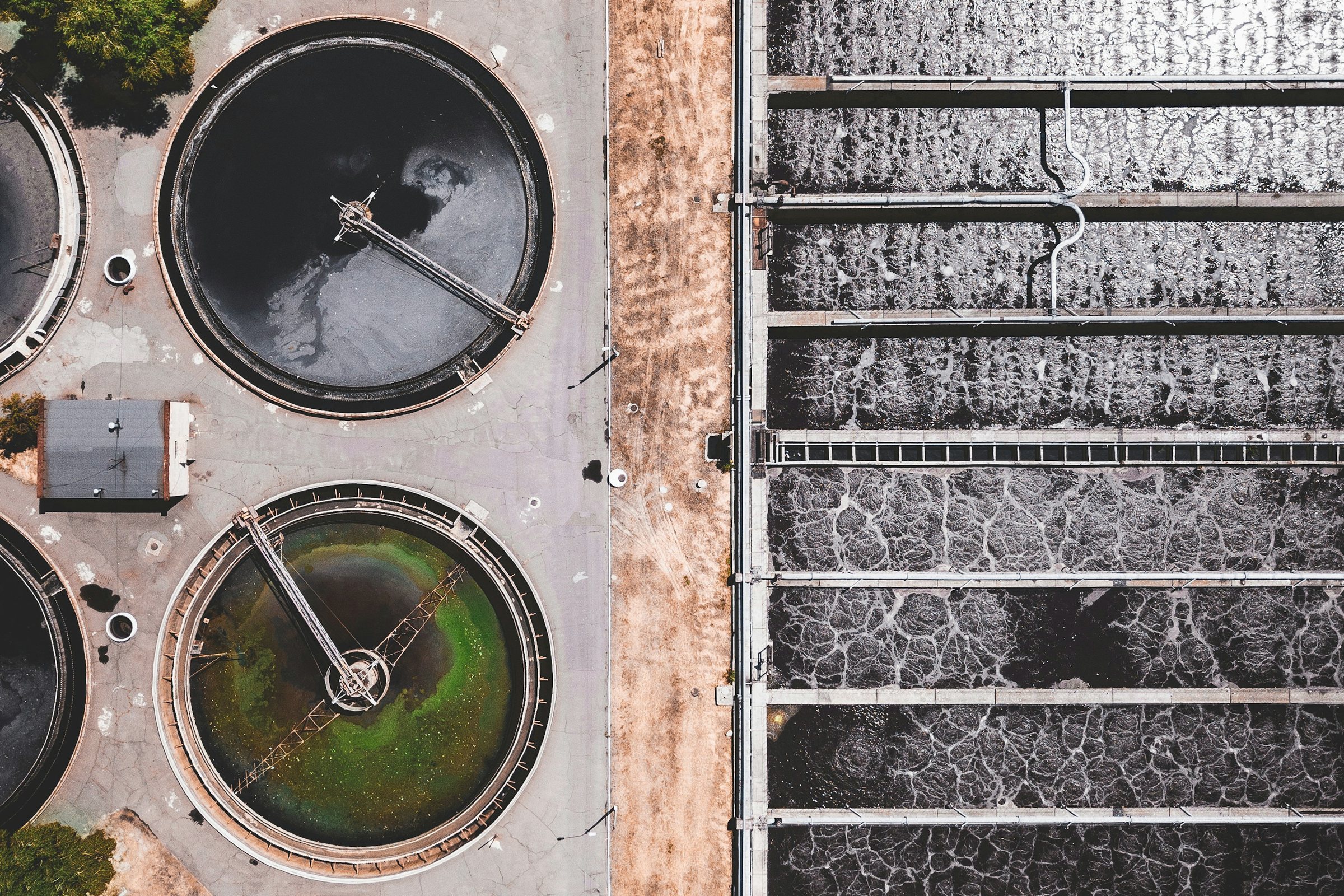
Those are needs, not budgets. They show how much of the cost of water sits in pipes and plants that customers never see.
“Water is cheap at the tap and expensive underground.”
ERTH Rora
Rights and utilities
A water right is the legal right to use water from a source. A regulated utility sells water to customers at rates set through a public process. Rora Water holds both, so it can see the full path from source to tap and plan investment against it.
Where the boundaries sit
- ERTH Agra’s water and irrigation funds also buy water rights. The Group Allocation Policy decides first look and how a shared deal is split.
- Desalination needs large power supply that ERTH Petra could provide. Any contract between the two is priced at arm’s length with disinterested approval.
- Rora Water’s regulated utilities sit next to ERTH Volta’s utility assets. Mandate boundaries are written.
Sources
- U.S. Environmental Protection Agency, EPA’s 7th Drinking Water Infrastructure Needs Survey and Assessment (2023). www.epa.gov
This note is for information only. It is not an offer to sell or a solicitation of an offer to buy any interest in any fund. Interests are offered only through each vehicle’s own documents.